
Category backgroundCategory background
Back to consultancy services
Consultancy

Environmental Monitoring

Comprehensive monitoring services for regulatory compliance, biodiversity, water and air quality, and environmental performance reviews.

Air Quality Monitoring and Mapping

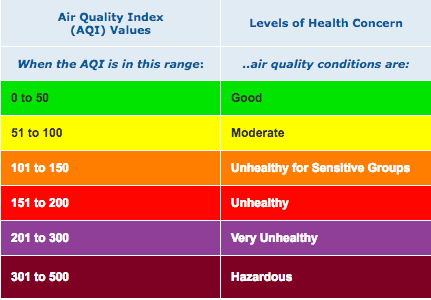
Air Quality monitoring is the systematic, long-term assessment of pollutant levels by measuring the quantity and types of certain pollutants in the surrounding, outdoor air. Some of the pollutants considered include carbon monoxide, benzene, butadiene, lead, sulphur dioxide, nitrogen dioxide, and particulates. Reasons to collect such data include to: assess the extent of pollution; provide air pollution data to the general public in a timely manner; support implementation of air quality goals or standards; evaluate the effectiveness of emissions control strategies; provide information on air quality trends; provide data for the evaluation of air quality models; and support research (e.g., long-term studies of the health effects of pollution).

Request quote
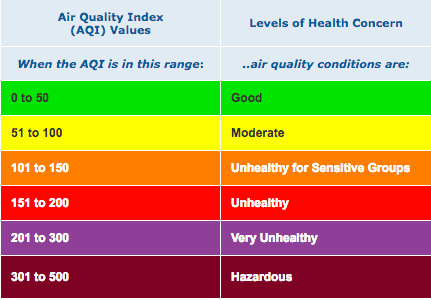
Air Quality Monitoring and Mapping

Noise and Vibration Monitoring and Mapping

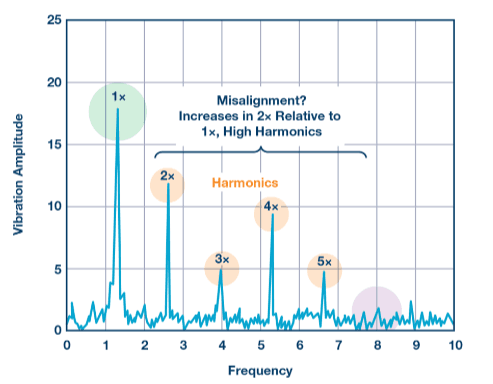
Noise is typically defined as unwanted or undesirable sound. The basic parameters of environmental noise that affect human subjective response are intensity or level, frequency and variation with time. Vibration in buildings can be caused by many different external sources, including industrial, construction and transportation activities. Vibration in buildings may also occur from internal sources (within a building structure), such as mechanical vibration sources in buildings, human activity or adjoining structures. Noise and vibration monitoring is typically a component of all of the acoustic projects we complete. Noise and vibration monitoring compliance monitoring may be necessary for a range of reasons, including complaint investigation and assessment against license conditions. Baseline ambient monitoring is usually necessary to define criteria and goals, and noise monitoring is also commonly completed to assess the influence of specific noise sources such as transportation, industry and commerce.

Request quote
Noise and Vibration Monitoring and Mapping

Soil Sampling and Analysis

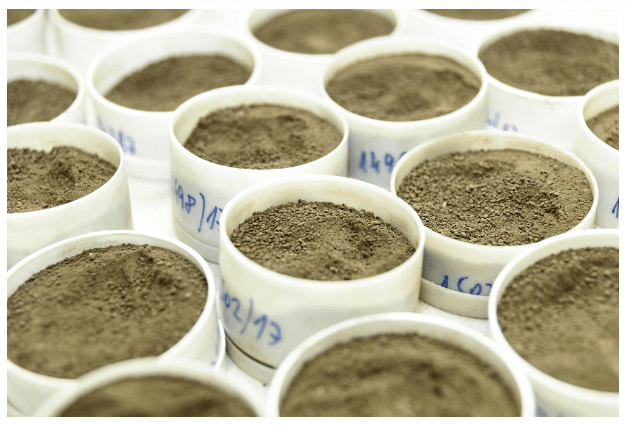
Soils are sampled to determine physical conditions, fertility (nutrient) status, and chemical properties that may be affected by a project or to establish a baseline or to determine the impact from pollution sources.

Request quote
Soil Sampling and Analysis

Water Sampling and Analysis

Water sampling is done to characterize the chemical, thermal, or hydrological properties of a surface or subsurface aqueous system. Water sampling intends to provide information on water quality and quantity, and on hydrodynamic properties of systems under observation.

Request quote
Water Sampling and Analysis

Hydrogeological Survey and Mapping

Hydrogeological assessments consider how proposed developments may be affected by groundwater and nearby surface water, in terms of potential flood risk and impact on structural foundations. This type of assessment is required if there is a risk that the proposed development may alter groundwater flow and potentially cause settlement, ground movement or local flooding. Hydrological assessments and monitoring services include: Water Resources Management; Well Design and Construction Services: Baseline Monitoring for Coal Bed Methane Production and Hydraulic Fracturing associated with Petroleum Hydrocarbon Extraction; Environmental Water Investigations: Chemical and Statistical Analysis of Groundwater Chemical Parameters Well field calculations to determine the optimum number and spacing limits to provide the desired long-term yield for a water supply system; Tier II Groundwater Guideline Modification, Groundwater Remediation Techniques: Water Balance Modelling Studies.

Request quote
Hydrogeological Survey and Mapping

Geotechnical Survey and Mapping

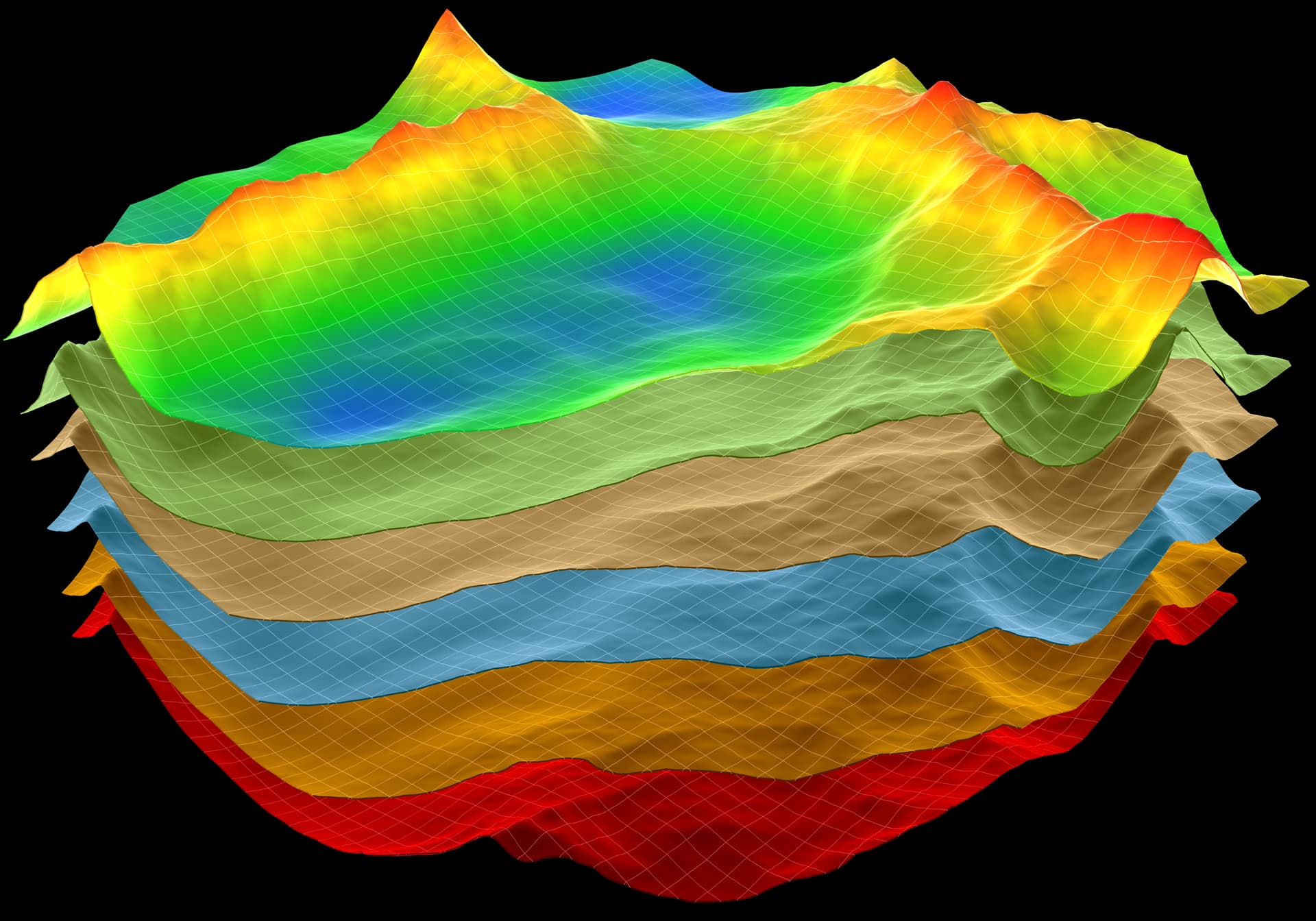
Geotechnical surveys are done by engineers who have expertise in the area of geography and soil. In a geotechnical investigation, the physical characteristics of the land and soil surrounding and laid in the foundation of the project are examined. With many areas prone to earthquakes, it becomes crucial that the infrastructure being built in such areas must have a strong footing. For this the soil that the construction is going to take place upon first needs to be examined for its properties. Lab testing is done and advanced technologies like ground-penetrating radar are used to get good samples of the soil. The structure erected, thus, will be more viable and secure from earthquakes. This survey can also be done post-construction after several years to understand long-term environmental changes in the soil due to the presence of a new building.

Request quote
Geotechnical Survey and Mapping

Ready to scope your environmental monitoring engagement?

Our consultants respond within two working days with a tailored proposal covering scope, timelines, and indicative budgets. Share your materials and we will fast-track the review.

Go to request form

Helpful tips

  • Attach TORs, feasibility studies, or baseline data for faster turnaround.
  • Indicate any regulatory submission deadlines and stakeholder requirements.
  • Let us know the preferred engagement model (full delivery, advisory, or embedded teams).